When something breaks at home, a small defect can quickly become a bigger disruption. A slow leak can damage walls and floors. A door that will not latch can leave your home less secure. And a sticking window may let in draughts or water when the weather turns.
There is no single public ranking of the most common house repairs in Sydney. But water ingress, plumbing issues, damaged walls and doors or windows that no longer work properly are recurring maintenance concerns. The quickest way to sort them is to identify the source, make the area safe and book the right trade before the damage spreads.
1. Roof leaks and overflowing gutters
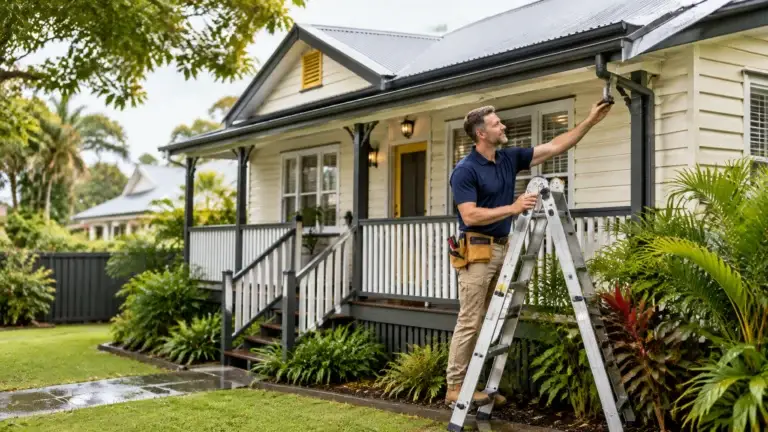
A ceiling stain, damp patch or drip during rain may point to damaged roofing, failed flashing or blocked gutters. The water can travel from where it enters, so the mark inside may not sit directly below the problem.
If water is coming in, move furniture and valuables, place a container under the drip and take photos. Avoid climbing onto a wet or damaged roof. Arrange an inspection promptly, especially if the leak is worsening or water is near lights or wiring.
Clear gutters and downpipes before heavy rain, and check that water drains away from the property. The NSW SES guide to preparing your home for storms recommends maintaining roofs and gutters to reduce storm-related risks.

2. Leaking taps, pipes and plumbing fixtures
A dripping tap may seem minor, but a leak under a sink, behind a wall or around a toilet can cause ongoing damage. Watch for damp cupboards, musty smells, bubbling paint or an unexplained increase in water use.
For an active leak, turn off the relevant isolation valve or the water at the mains if needed and safe to do so. Keep clear of wet electrical areas. Contact a licensed plumber for plumbing work, particularly if the leak is hidden, persistent or affecting more than one fixture.
The key is to fix the cause, not just dry the visible water. NSW Health advises repairing leaks and plumbing problems promptly to help prevent dampness and mould. See its guidance on mould.
3. Sticking doors, faulty locks and sliding doors
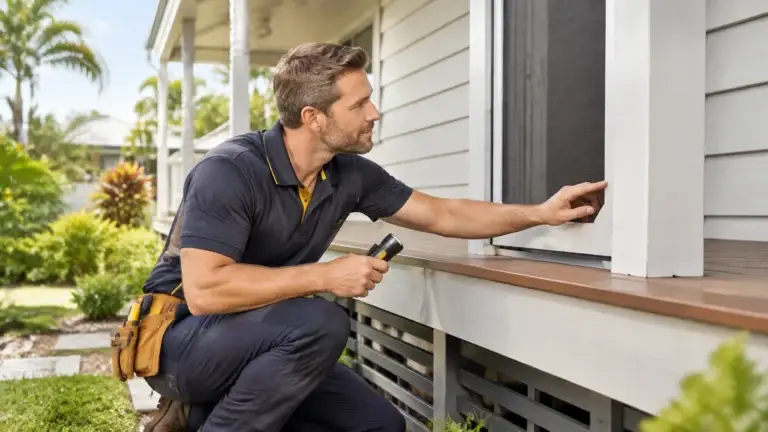
Doors can start rubbing, sticking or failing to latch as hinges loosen, hardware wears or frames shift. Sliding doors may become difficult to move if their tracks or rollers need attention.
These issues affect more than convenience. An external door that will not lock can compromise security, while a door that catches can damage its frame or flooring over time. Note which door is affected and whether the fault changes in warm, wet or windy conditions.
MasterFix handles door and window repairs, including hinge and strike-plate adjustments, lock and hardware replacement, sliding door repairs and draught sealing. The aim is to identify why the door is misaligned and restore reliable operation.

4. Draughty, jammed or damaged windows
A window that will not open, close or seal properly can make a room less comfortable and may allow water or draughts inside. Common causes include worn seals, damaged hardware, dirty tracks or a sash that has shifted.
For a minor issue, note whether the window is jammed, difficult to lock or letting air through. Avoid forcing it; this can damage the frame or mechanism. If glass is cracked or broken, keep people away from the area and arrange professional help. Do not handle broken glass yourself.
A qualified repairer can assess whether the window needs adjustment, new hardware, sealing or a more substantial repair. For related work, see MasterFix door and window repairs.
5. Cracked plaster, peeling paint and damp patches
Cracks and peeling paint may result from everyday wear, movement, moisture or a leak. A small, stable surface crack is different from a crack that is widening, recurring or appearing alongside sticking doors and windows.
Photograph the damage and note when you first saw it. If there is a damp patch, deal with the source of moisture before repainting or patching. Covering the mark without fixing the leak often means the problem returns.
Seek qualified advice if a crack is growing, water is entering, a wall appears to bulge or you suspect structural movement. For repairs to wall surfaces and other building defects, MasterFix building maintenance covers internal and external repairs and defect rectification.

6. Loose fittings and everyday carpentry repairs
Loose handles, damaged trim, worn hinges and minor timber defects can make a home feel tired and less functional. They may also become harder to repair if left until parts break or come away completely.
Make a list of small jobs room by room. Grouping repairs into one visit can be more convenient than arranging separate appointments for each item. A tradesperson can assess the scope, explain which repairs can be completed together and provide clear pricing before work begins.
For timber repairs, fittings and other carpentry needs, explore MasterFix carpentry services.
When should you book a repair?
Use the urgency of the risk, not just the size of the defect, to decide what to do next.
- Act immediately: active water near electrical fittings, a major uncontrolled leak, a gas smell or a door or window that leaves the property insecure. Move away from danger and contact the relevant emergency service or licensed trade.
- Arrange prompt attention: a roof leak, persistent plumbing leak, broken external glass or damp that is spreading.
- Book a planned repair: sticking internal doors, worn seals, minor stable surface damage, loose fittings and other defects that are not creating an immediate safety risk.
If you are unsure, describe the issue and ask what information the trade needs to assess it. Clear photos, the affected room, when the problem began and whether it worsens in rain can help make the first conversation more useful.
How to get house repairs in Sydney sorted faster
A few practical steps can help your repair move smoothly from enquiry to completion:
- Make the area safe. Keep people away from broken glass, exposed wiring and unstable materials.
- Document the issue. Take clear photos and note when it started, what has changed and any temporary steps you have taken.
- Describe the job clearly. Include your Sydney suburb, access details and whether the issue is getting worse.
- Confirm the scope and price. Ask what is included, what might affect the cost and when the work can be completed. Get the agreed scope and pricing in writing.
- Check qualifications for regulated work. NSW requires licensed trades for specialist work such as plumbing, electrical, drainage and gasfitting. You can check credentials using the NSW Government’s guide to checking a contractor or tradesperson is qualified.
Reliable repairs, with clear communication
For homeowners and small businesses, a dependable repair service should make the process straightforward. MasterFix provides residential and commercial property maintenance, with certified, background-checked tradespeople and more than 20 years of combined experience. We focus on punctual appointments, transparent upfront pricing, clear updates and quality workmanship.
If you need house repairs in Sydney, request a quote or booking. Share the details and your suburb so the team can confirm availability and the right next step.