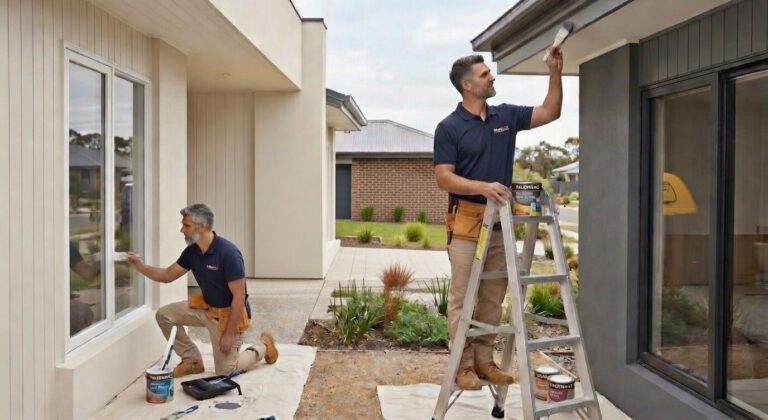
A home rarely needs attention all at once. More often, small signs appear over time: a sticky door, a dripping tap, a patch of peeling paint or a gutter that overflows in heavy rain. It’s easy to put these jobs off, until they turn into urgent repairs.
A planned approach to property maintenance services helps homeowners keep track of those jobs, schedule them at sensible times and address problems before they grow. It doesn’t mean fixing everything immediately. It means knowing what to check, when to act and who to call.
What does a property maintenance service include?
A maintenance service can start with a walk-through and a prioritised list of visible issues. From there, the work may include small repairs, upkeep and coordinating specialist trades where a job requires specific qualifications or licensing.
Typical tasks around a home include:
- Adjusting doors, hinges, latches and handles.
- Repairing minor wall damage and paintwork.
- Checking accessible external fittings, screens and gates.
- Identifying signs of water entry or deteriorating finishes.
- Clearing or arranging suitable attention for gutters and drainage.
- Recording jobs that need a licensed plumber, electrician, roofer or other specialist.
The right scope depends on the building, its age, materials, tree cover and exposure to weather. A heritage home in inner Melbourne, a family property in Brisbane and a house in Canberra may have different priorities. A maintenance plan should reflect the home, not a generic checklist.

Why deferred repairs can cost more
Putting off a minor repair may seem like a way to save money. But if the underlying problem continues, the eventual job can involve more materials, more labour and more disruption.
A loose gutter joint, for example, may let water run down a wall. Persistent moisture can damage paint and plaster, and may create further issues inside the property. A small leak that goes unnoticed can affect more than the fitting where it began. Similarly, a door that no longer closes properly may become a security or weatherproofing concern.
The cost isn’t always just the repair itself. Reactive work can mean arranging a visit at short notice, managing access when you hadn’t planned for it, or dealing with disruption while a more extensive fix is completed. These outcomes aren’t inevitable, but early attention can make them less likely.
The Queensland Building and Construction Commission’s home-maintenance guidance recommends ongoing care to help protect a property. Its advice on roof flashings also highlights the role that correct installation and maintenance play in preventing leaks.
A practical annual maintenance calendar
The seasons offer useful reminders. Local weather and the condition of your home matter more than the calendar date, so treat this as a starting point rather than a fixed rule.
Summer: check heat, weather and external fittings
As temperatures rise, look for signs of water entry after heavy rain and check that doors, windows and screens work as they should. Secure loose external fittings and note any visible roof or gutter issues from a safe position on the ground.
In mid-November, this is a useful time to put outstanding repairs on the schedule before summer weather and holiday plans make it harder to organise access. For location-specific storm preparation, follow official guidance such as the NSW Government’s advice on preparing your home for storms.
Autumn: keep leaves and drainage in check
As leaves fall, check whether gutters, downpipes and drainage points are becoming blocked. How often they need attention depends on nearby trees and the amount of debris. Homes with heavy leaf fall may need checks more often than once a season.
Overflowing gutters can send water where it isn’t meant to go. The Victorian Building Authority’s guidance on clearing leaves from gutters explains why keeping drainage paths clear matters.
Winter: watch for moisture and draughts
Look inside for ceiling stains, damp patches, peeling paint, condensation or musty smells. Check for obvious gaps around doors and windows, and make sure bathroom and kitchen ventilation is working. These checks can help you spot changes early, but persistent damp or mould may need specialist assessment to identify and address its cause.
The Victorian Building Authority’s guidance on condensation, moisture damage and mould provides further information on managing moisture indoors.
Spring: review the outside before the next weather shift
Walk around the property and look for loose fittings, damaged paint, cracked seals, branches close to the building and changes in drainage. If you notice a roof concern, avoid climbing up to investigate it yourself. Arrange a suitable professional inspection.
In Canberra and the ACT, the ACT’s resilient home guide is a useful reference for thinking about local conditions. The Australian Government’s YourHome guide to repairs and maintenance also recommends maintaining a schedule suited to your property.

How often should key items be checked?
There isn’t one schedule that suits every home. A sensible plan might include:
- Gutters and downpipes: Check during heavy leaf fall and before periods when you expect more rain. Increase checks if trees regularly drop debris.
- Roof and external areas: Look for visible changes from the ground during a seasonal walk-around. Arrange professional attention if you see damage or suspect a leak.
- Doors, windows and screens: Check that they open, close and latch properly during routine home checks, and whenever you notice a change.
- Damp, leaks and paintwork: Pay attention to new marks, smells or peeling rather than waiting for the next annual review.
- Heating, cooling and appliances: Follow the manufacturer’s maintenance instructions and use qualified technicians where required.
After a severe weather event, check for new signs of damage when it is safe to do so. The NSW SES home-preparation guidance also advises householders to prepare ahead and take care around storm-related hazards.
One trusted provider can make maintenance easier
Small repair lists tend to grow when each job is handled separately. A single maintenance visit can make it easier to group suitable tasks, agree on a clear scope and keep a record of what has been done and what still needs attention.
That doesn’t mean every job belongs to the same trade. Plumbing, electrical and other regulated work may need a licensed specialist. A responsible provider will explain when that’s the case, rather than treating every repair as a general handyman task.
For homeowners in Sydney, Brisbane, Melbourne, Canberra and Ipswich, a dependable provider should make the process straightforward: clear advice before work begins, transparent pricing, an agreed appointment and updates if anything changes. MasterFix’s handyman services cover a range of home repair and maintenance needs. Our certified, background-checked tradespeople bring more than 20 years of combined experience, with punctual service, clear communication and a quality guarantee.

Make a plan before a small issue becomes urgent
Start with a simple list of visible repairs. Mark anything involving water, safety, security or worsening damage as a priority. Note seasonal jobs, then review the list every few months and after significant weather.
A year-round plan won’t prevent every repair. It can help you spot changes sooner, make informed decisions and avoid leaving manageable jobs until they become more disruptive. For advice on your home and a clear upfront quote, contact MasterFix.