Brisbane’s November weather is a reminder that hot, humid days are on the way. A little maintenance now can help your home stay more comfortable through summer and make small problems easier to address before they worsen.
For timber Queenslanders and older weatherboard homes, that means looking beyond the air conditioner. Check for moisture inside, keep ventilation working, inspect exposed timber and make sure screens are ready for windows-open evenings.
Here’s a practical pre-summer checklist for Brisbane homes, from Paddington and Wilston to Ashgrove, Carindale, Chermside and Sunnybank.
1. Find the source of damp before treating mould
Humid weather can make poorly ventilated rooms more prone to condensation and mould. Check bathrooms, laundries, wardrobes, window frames and ceilings for musty smells, damp patches, staining or visible mould.
If you find a problem, don’t simply paint over it. A roof or plumbing leak, failed sealant or inadequate airflow may be the underlying cause. Deal with the moisture source first, then repair and refinish the affected surface as appropriate.
Queensland Government advice on mould and damp includes using ventilation and addressing dampness. You can also reduce lingering moisture by drying wet areas, using bathroom and kitchen exhaust fans, and leaving wardrobe doors open periodically.
Persistent or extensive mould, or mould that returns after cleaning, may need professional assessment. If you’re unsure about the source or the condition of the affected materials, get advice rather than covering it up.
2. Test exhaust fans and improve airflow
An exhaust fan only helps if it works properly and moves air out of the room. Switch on bathroom and laundry fans, listen for unusual noise and check for weak airflow. If a fan is faulty, arrange a repair. Electrical work should be carried out by an appropriately licensed professional.
Brisbane City Council’s Traditional Housing: Alterations and Extensions design guide discusses the benefits of cross-ventilation in traditional homes. Where safe and practical, opening windows on opposite sides of the house can encourage airflow. Use fans to help move air, and close blinds or curtains during the hottest part of the day to reduce heat entering rooms.

3. Check air conditioning before the first heatwave
Don’t wait until a run of hot days to find out the cooling system isn’t ready. Test it now. Clean or replace filters according to the manufacturer’s instructions, check that vents are unobstructed and look for water leaks, unusual smells or unexpected noises.
If cooling is weak, drainage appears blocked or the unit needs a deeper clean or service, book a qualified air-conditioning professional. A working system can make a real difference to comfort, and early checks give you time to organise service when it suits you.
4. Protect sun-exposed exterior timber
North- and west-facing walls, window frames and doors can take a lot of sun. Look for cracked or peeling paint, open joints, worn sealant, swelling or timber that feels soft. Pay special attention to sills, exposed edges and areas where rainwater may sit.
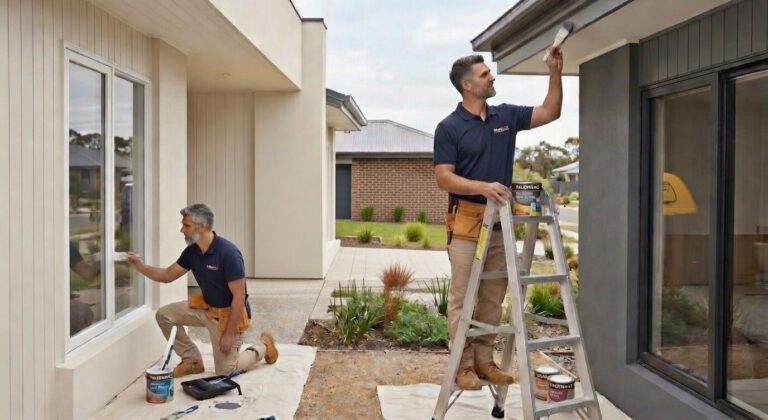
Good preparation matters before repainting. Loose paint needs to be removed and the surface properly prepared; any water entry or timber damage should be investigated first. Painting over a damp or deteriorating surface may only hide the issue temporarily.
The Brisbane City Council guide notes that traditional homes can benefit from suitable shading, including verandahs, awnings and screens. If you’re planning a significant exterior change to an older or character home, check any relevant requirements before work begins.

5. Inspect decks, verandahs and pergolas
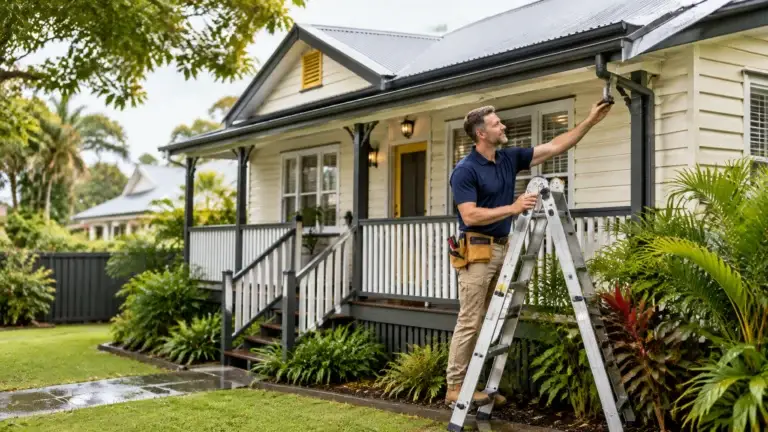
Before summer gatherings begin, check outdoor timber where people walk, sit and hold onto handrails. Look for movement, cracked or soft timber, loose boards, rusted fixings and wobbly stairs or rails. Check pergola posts and visible connections too. Clear leaves and debris so water can drain away.
If a deck or handrail moves, or timber appears significantly damaged, limit access and arrange an appropriate inspection. Don’t rely on fresh paint or a quick cosmetic patch to address a structural concern.
The QBCC guide to timber deck and balcony construction provides technical guidance for deck construction and connections. If you’re considering building or substantially altering a deck, check Brisbane City Council’s deck approval information. Approval requirements depend on the details of the project and property.
6. Keep raised-home subfloors visible and ventilated
Raised timber homes in suburbs such as Paddington, Wilston and Ashgrove benefit from regular attention beneath the floor as well as inside the house. From a safe, accessible position, look for blocked vents, damp or standing water, visible timber decay, plumbing leaks, termite signs or changes in floor level.
Keep ventilation openings clear and avoid storing items against structural timber or covering areas that need to remain accessible for inspection. If you see mud tubes, damaged timber or signs of movement, don’t disturb structural supports or attempt a DIY repair. Arrange an assessment by the appropriate building or pest professional.
The QBCC’s termite management guidance explains the importance of maintaining termite management systems and keeping inspection areas accessible. A qualified termite-management professional can advise on inspections and any signs of activity.

7. Repair flyscreens before mosquito season
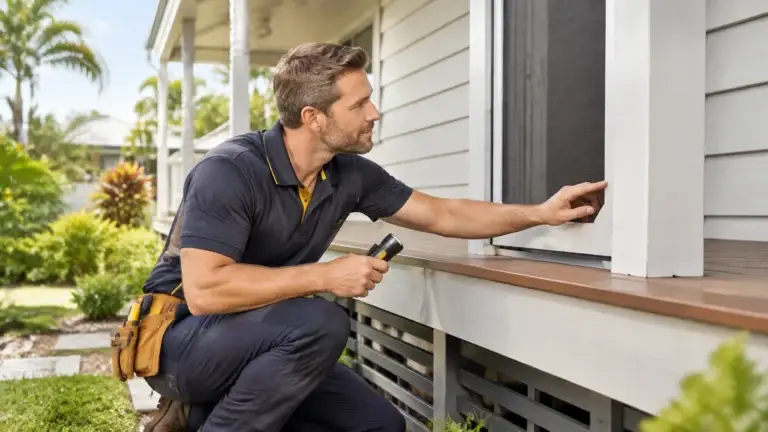
A torn flyscreen can make it harder to enjoy evening airflow. Check screens for holes, loose edges, damaged frames and latches that don’t hold securely. Repair or replace damaged mesh, and make sure doors and windows close properly.
Clean screens gently so airflow isn’t restricted by dust and debris. If a frame is loose or a window is difficult to operate, fix that at the same time. Sound screens make it more practical to open windows when outdoor conditions are comfortable.
Plan the work and get the right trade
A short inspection now can help you prioritise jobs for the weeks ahead. Make a list, take photos of defects and note anything that appears to be getting worse. Grouping small repairs can make it easier to arrange a convenient visit, while issues involving electrical work, air-conditioning, suspected termites or structural movement may need a specialist.
The right handyman services in Brisbane can help with suitable repairs and maintenance, including timber work and painting. MasterFix’s carpentry services and painting services cover practical ways to maintain and refresh your property.
MasterFix brings more than 20 years of combined experience to property maintenance and renovation work. Our certified, background-checked tradespeople provide clear, upfront pricing, reliable and punctual scheduling, and consistent communication. We aim to complete every job to a professional standard, with precision and cleanliness.
If you’ve spotted a repair to organise before Brisbane’s summer heat sets in, request a quote or booking.