Spring is the ideal time to prepare your property for Australia’s storm season. In early November, there is still time to identify defects, book qualified trades and complete preventative repairs before the heaviest rain, strong winds and summer heat arrive.
A reliable maintenance plan can reduce water damage, improve safety and prevent small defects from becoming expensive emergency repairs. This checklist covers 12 practical jobs for homeowners, landlords, strata committees and business owners.
MasterFix provides professional property maintenance services for residential and commercial properties. With more than 20 years of combined trade experience and 185+ projects completed, our certified and background-checked team helps keep properties safe, functional and well presented.
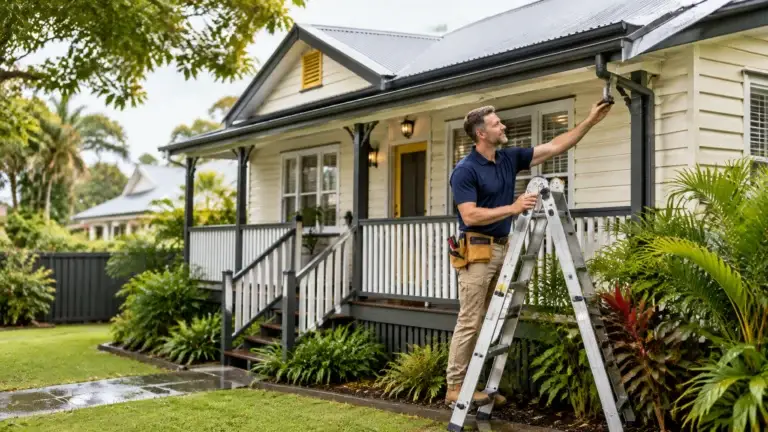
1. Clean and inspect gutters and downpipes
Blocked gutters are one of the most common causes of roof overflow and water damage during heavy rain. Leaves, dirt, nests and debris can prevent water from flowing away from the building.
Book a professional gutter clean and ask for a full inspection of:
- Gutters and downpipes
- Loose brackets and fixings
- Rust, cracks or sagging sections
- Downpipe outlets and connections
- Signs of overflow or staining on exterior walls
A gutter clean is particularly important if your property is surrounded by trees. It also gives your tradesperson an opportunity to identify minor defects before they become urgent.

2. Arrange a roof inspection
Storm winds and driving rain can expose damaged roof tiles, loose metal sheets, lifting flashing and deteriorated ridge capping.
Have a qualified professional inspect the roof before storm season. They should also check seals around skylights, vents and other penetrations. Inside the roof space, look for water stains, damp insulation, mould or daylight entering through gaps.
Small roof repairs completed now can help reduce the risk of internal leaks during the next major storm. Roof access is also a safety concern, so avoid climbing onto the roof yourself unless you have the right equipment and experience.
3. Trim overhanging trees and unstable branches
Branches overhanging roofs, gutters, fences and powerlines can cause serious damage in high winds. Dead or unstable limbs can also block gutters and damage vehicles, windows or outdoor structures.
Arrange an inspection with a qualified arborist where required. Remove unsafe branches and keep vegetation clear of the building. Do not attempt to cut branches near powerlines or tackle large trees without suitable training and equipment.
Tree maintenance is not only about appearance. It is an important part of storm preparation and property safety.
4. Check stormwater drainage and outdoor plumbing
Inspect the areas around your property for pooling water, slow drains, blocked grates and soil erosion. Recurring puddles may indicate poor grading or a drainage problem that needs professional attention.
A plumber or drainage specialist can assess:
- Stormwater connections
- Surface drains and grates
- Downpipe discharge points
- Outdoor taps and hose fittings
- Soak wells and drainage channels
- Areas where water collects near foundations
Clear visible debris from grates and make sure downpipes discharge safely away from the building. If water regularly flows toward the property, arrange an assessment before the next period of intense rain.
5. Reseal windows and repair exterior doors
Damaged seals, cracked glazing and deteriorated caulking can allow wind-driven rain into your home or business. Poorly sealed windows may also increase draughts, noise and pest entry.
Ask a professional to inspect:
- Window and door frame seals
- Perished weather-stripping
- Cracked glass
- Loose hinges and handles
- Damaged insect screens
- Gaps around external frames
MasterFix provides door and window repair services as part of its carpentry capability. Replacing a worn seal or repairing a faulty latch is a small job that can provide valuable peace of mind before storm season.

6. Inspect exterior walls, cladding and paintwork
Walk around the property and look for cracks, peeling paint, deteriorated sealant, mildew and signs of moisture. Pay close attention to areas around windows, doors, rooflines and balconies.
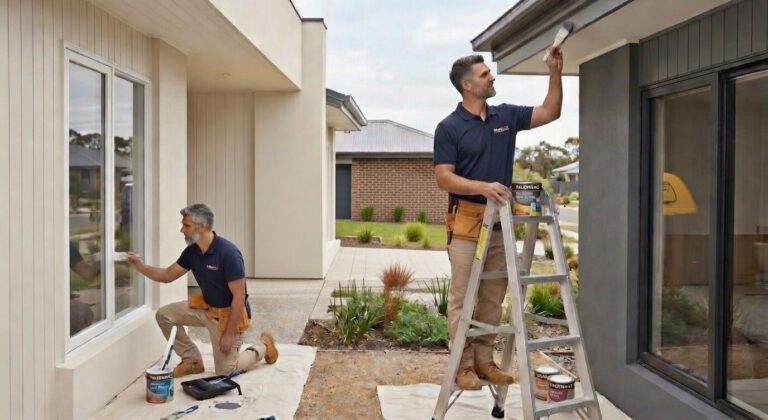
Minor exterior repairs can help prevent water from entering wall cavities. A skilled handyman can repair surface damage, reseal gaps and complete targeted painting or plastering work.
Also inspect fences and gates. Loose posts, damaged hinges and unstable panels may not withstand strong winds.
7. Service air conditioning before summer
Spring is a convenient time to service air conditioning before the first extended heatwave arrives. A service can identify blocked filters, poor drainage, damaged controls and other issues that affect performance.
Clean or replace filters where appropriate and check that condensate drains are not blocked. An overflowing air conditioning drain can cause internal moisture damage, particularly in offices, rentals and multi-unit buildings.
Booking early also helps you avoid waiting for an appointment when demand increases.
8. Test smoke alarms and check electrical safety
Test every smoke alarm and replace batteries where needed. Check that alarms are accessible and operating correctly.
You should also inspect outdoor power points, extension leads and lighting for visible damage or moisture exposure. Do not attempt electrical repairs yourself. Use a licensed electrician for faulty wiring, damaged outlets, safety switches or other electrical work.
Storms can increase the risk of power interruptions, water exposure and electrical faults. A professional safety check is worthwhile if you notice burning smells, flickering lights or tripping circuits.
9. Book a termite and pest inspection
Warmer and more humid conditions can increase pest activity. Spring is a practical time to inspect timber, subfloors, foundations and damp areas for signs of termites or other pests.
Look for:
- Mud tubes on walls or foundations
- Hollow-sounding timber
- Damaged skirting boards
- Small holes or frass
- Persistent damp areas
- Gaps around service penetrations
Use a licensed pest professional for assessment and treatment. Repair leaking taps, improve ventilation and remove timber or debris stored directly against the building.
10. Check decks, balconies, fences and outdoor structures
Inspect outdoor structures for rot, corrosion, loose fixings and movement. Pay particular attention to deck boards, stairs, handrails, balcony balustrades and fence posts.
A carpenter or experienced handyman can identify defects and complete suitable repairs. Timber decks may also benefit from cleaning, oiling or sealing once the surface is dry and prepared correctly.
MasterFix provides carpentry and decking services for repairs, timber work and outdoor improvements. Strong, well-maintained structures are safer for everyday use and less likely to deteriorate during wet weather.

11. Prepare gardens, yards and irrigation
Spring maintenance should include more than mowing and pruning.
As the weather warms up, gardens grow faster and drains fill with leaves and seed pods. Check whether garden beds or landscaping direct water toward the building. Clear overgrown areas around vents, drains and external equipment.
Book a gardener or landscaper to:
- Prune shrubs and smaller trees
- Remove dead vegetation
- Clear drainage paths
- Check irrigation leaks
- Adjust watering near foundations
- Secure loose garden structures
Do not leave lightweight furniture, pots, umbrellas or tools exposed before forecast high winds. Store or secure anything that could become a projectile.
12. Inspect pools, fences and outdoor living areas
Before summer use increases, check pool equipment, surrounding surfaces and safety barriers. Pool gates should close and latch correctly. Any damaged fencing should be assessed and repaired promptly.
Also inspect patios, outdoor stairs and entertaining areas for slippery surfaces, loose boards and poor drainage. Clear leaves from drains and clean surfaces before heavy rain arrives.
If you identify a structural, plumbing or electrical issue, use the appropriate qualified professional rather than relying on a temporary DIY solution.
Planned maintenance for landlords, strata and business owners
Property owners and managers should treat spring maintenance as a scheduled risk-reduction exercise, not a last-minute repair list.
For rental properties, complete inspections before storm season and record defects with photographs, dates and recommended actions. Prioritise roof leaks, drainage, accessways, external lighting, doors, windows, fences and trip hazards.
Strata committees can combine common-area inspections with a planned maintenance schedule. Review gutters, balconies, façades, car parks, entry doors, handrails and shared outdoor areas. A single point of contact can make it easier to coordinate multiple trades and communicate updates to residents.
For offices, retail sites and other commercial properties, planned commercial property maintenance helps protect presentation, safety and business continuity. MasterFix can assist with planned maintenance programs, reactive repairs, defect rectification, internal and external repairs, and multi-trade coordination.
Whether you manage a Melbourne office, a Sydney rental portfolio or a Brisbane retail property, a documented plan is easier to budget and less disruptive than repeated emergency call-outs.
DIY or professional? A simple rule
DIY is generally suitable for low-risk tasks such as:
- Clearing ground-level leaves from drain grates
- Testing smoke alarm buttons
- Securing outdoor furniture
- Replacing simple batteries
- Cleaning accessible surfaces
Book a professional for work involving:
- Roof access or ladders
- Electricity or gas
- Structural defects
- Tree removal or branches near powerlines
- Working at height
- Plumbing faults
- Water ingress
- Balconies, retaining walls or major decks
If you are searching for a “local handyman near me”, choose a reliable team that provides clear scope, upfront pricing and consistent communication. Professional support is especially useful when several small home repairs need to be completed in one visit.
Book your spring maintenance before storm season
November is the right time to schedule your inspection and repairs. MasterFix delivers reliable handyman and property maintenance services for homes, strata properties and businesses.
We provide clear pricing before work begins, arrive on schedule and keep you updated from the first enquiry through to completion. Our certified, background-checked tradespeople focus on clean, safe and professional results.
Whether you need handyman services in Melbourne, house repairs in Sydney or handyman services in Brisbane, request your free quote online or call 1300 003 113.