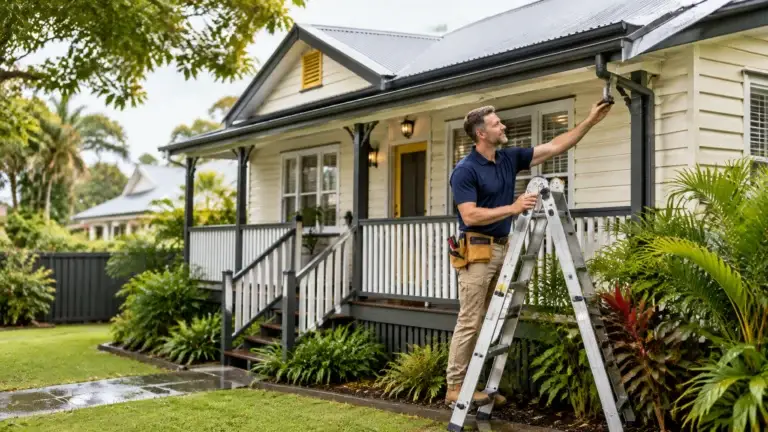
Older Ipswich homes have plenty of character. Queenslander-style cottages, weatherboard houses and established homes also need regular attention to keep water out and minor defects from becoming major repairs.
With Queensland’s storm season running from October to April, a practical maintenance check before heavy rain and strong winds can help reduce avoidable damage. The right handyman services in Ipswich can help identify and address everyday maintenance issues, while recognising when a specialist or licensed trade is needed.
Why older homes need a seasonal check
Age alone does not make a home unsafe. But years of sun, rain and movement can wear down the parts that protect it: roof fixings, gutters, window seals, timber cladding and exterior paint.
Raised timber homes have different considerations from houses built on a slab. Verandah posts, stairs, handrails and accessible areas beneath the home all deserve attention. A visual maintenance check can flag concerns early, but it cannot replace a structural assessment where one is needed.
The aim is not to make a home “storm-proof”, no maintenance can guarantee that. It is to spot deterioration, keep rainwater moving away from the building and prepare the household for severe weather.
Start at the roof, gutters and downpipes
Loose roof sheets or tiles, damaged flashing and blocked gutters can let water enter where it should not. Before storm season, look for visible damage from the ground and arrange a closer inspection if anything appears loose, corroded or out of place. Avoid climbing onto a roof yourself.
Clear gutters and downpipes so rain can drain away. Check for sagging sections, leaks at joints and downpipes that discharge against the house or leave water pooling nearby. On an older home, also look for signs of water staining under eaves or around the ceiling. These may point to a leak that needs investigation.
Queensland’s extreme-weather home maintenance guidance recommends checking roof condition, repairing damaged guttering and flashing, and keeping gutters and downpipes clear.

Check weatherboards, windows and exterior timber
Walk around the home and look for loose, cracked or rotting weatherboards. Pay particular attention to timber near the ground, around windows and doors, and where water may collect. Peeling or cracked paint can expose timber to moisture. Failed sealant around window sills can also allow water in.
Small repairs may include securing loose fittings, renewing appropriate sealant or preparing and repainting a limited area of sound timber. If timber is soft, badly deteriorated or possibly termite-affected, do not simply cover it with paint. The underlying cause and extent of damage should be assessed first.
For a heritage-listed property or a home in a character area, check local requirements before making significant exterior changes. Retaining original features where possible can help preserve the home’s character, but safety and sound repairs come first.
Keep water moving away from the house
Check stormwater grates, surface drains and the ground around the building for leaves, silt or other blockages. Look for signs that water sits near the house after rain or flows towards doors, steps or the under-house area. Minor obstructions may be straightforward to clear, but persistent ponding or drainage problems may need a drainage professional.
If your Queenslander is raised, keep its under-house area and access in safe condition. Do not assume the space below the home is protected from flooding. Get advice before enclosing it or making changes that could affect how water moves through the site.
Ipswich properties can face different flood and overland-flow risks depending on their location. Check Ipswich City Council’s disaster preparation information and local property information rather than relying on a neighbour’s experience or the home’s raised floor alone.

Inspect access, stairs and verandahs
Wet conditions can make worn stairs, loose handrails and uneven paths more hazardous. Check that verandah steps feel stable, handrails are secure and exterior doors open and latch properly. Look for obvious movement, decay or corrosion around posts and connections.
If you notice movement, significant timber deterioration or concerns about stumps, bearers or other structural components, arrange an assessment by a suitably qualified building professional. A handyman can assist with appropriate repairs and maintenance, but structural work may require a licensed builder, engineer or other specialist.
A maintenance professional should be clear about the limits of the work they can safely and legally undertake. That distinction protects both the home and the people living in it.

Prepare the household as well as the building
Maintenance is only one part of storm readiness. Before severe weather arrives, secure loose outdoor items, trim branches close to the home through an appropriate professional, and move valuables and electrical items to a safer location if flooding is possible.
Know where household members and pets can shelter, and how to access your emergency supplies. Follow official warnings and local instructions. For flood safety, never walk, swim or drive through floodwater. Ipswich Council provides practical information on preparing before an emergency, while Get Ready Queensland’s flood resilience guidance explains how home type affects possible longer-term improvements.
Some resilience measures (such as raising a home, changing drainage or altering electrical services) are not routine handyman jobs. They require planning, appropriate qualified professionals and, in some cases, council approval.
What to look for in an Ipswich handyman
A dependable handyman should be able to explain what they have found, what they recommend and what falls outside their scope. Before booking, look for:
- Relevant experience: Ask whether they have handled timber, weatherboard or older-home maintenance similar to yours.
- Clear pricing: Request an upfront quote or written scope, including any assumptions and exclusions.
- Reliable scheduling: Confirm the appointment window and how you will be updated if plans change.
- Safe, qualified work: Check that the person undertaking each task has the relevant qualifications, licences and insurance where required. Electrical, plumbing and structural work may need a specialist.
- A clear finish standard: Ask how the work will be checked and what quality assurance applies.
MasterFix focuses on punctual service, transparent pricing before work begins and clear communication from enquiry through completion. Our skilled, vetted tradespeople handle appropriate repairs and property maintenance, with quality and care as standard. For more information, see our carpentry services or building maintenance services.
A simple seasonal approach
A useful routine is to check the home before storm season, address visible defects promptly and review the outside again after significant weather, only from safe locations. Keep a note of repairs, recurring leaks and areas that need further assessment. That record can help you plan maintenance instead of reacting to the next urgent problem.
Older Ipswich homes can stay comfortable and resilient with the right care. If you have noticed loose fittings, deteriorating timber, leaking gutters or another maintenance concern, request a quote from MasterFix. We’ll discuss the job, explain the scope and help you understand the next step.